

Okay, so check this out—I’ve been messing with Solana wallets for years now, and somethin’ about the extension experience kept nagging at me. Here’s the thing. At first glance it all looks shiny and fast. But actually, wait—let me rephrase that: speed means little if the UX is confusing or the security model is porous. My gut said security first, then speed, and then convenience as the tiebreaker.
Whoa! The Phantom browser extension nails the feel. It loads fast. It presents accounts and balances in a way that doesn’t make you squint. On the other hand, sometimes the app’s pop-up UI feels cramped on smaller screens, though actually that’s a solvable nitpick with a setting tweak. I’m biased, but I prefer tools that behave like they were built for humans instead of engineers alone.
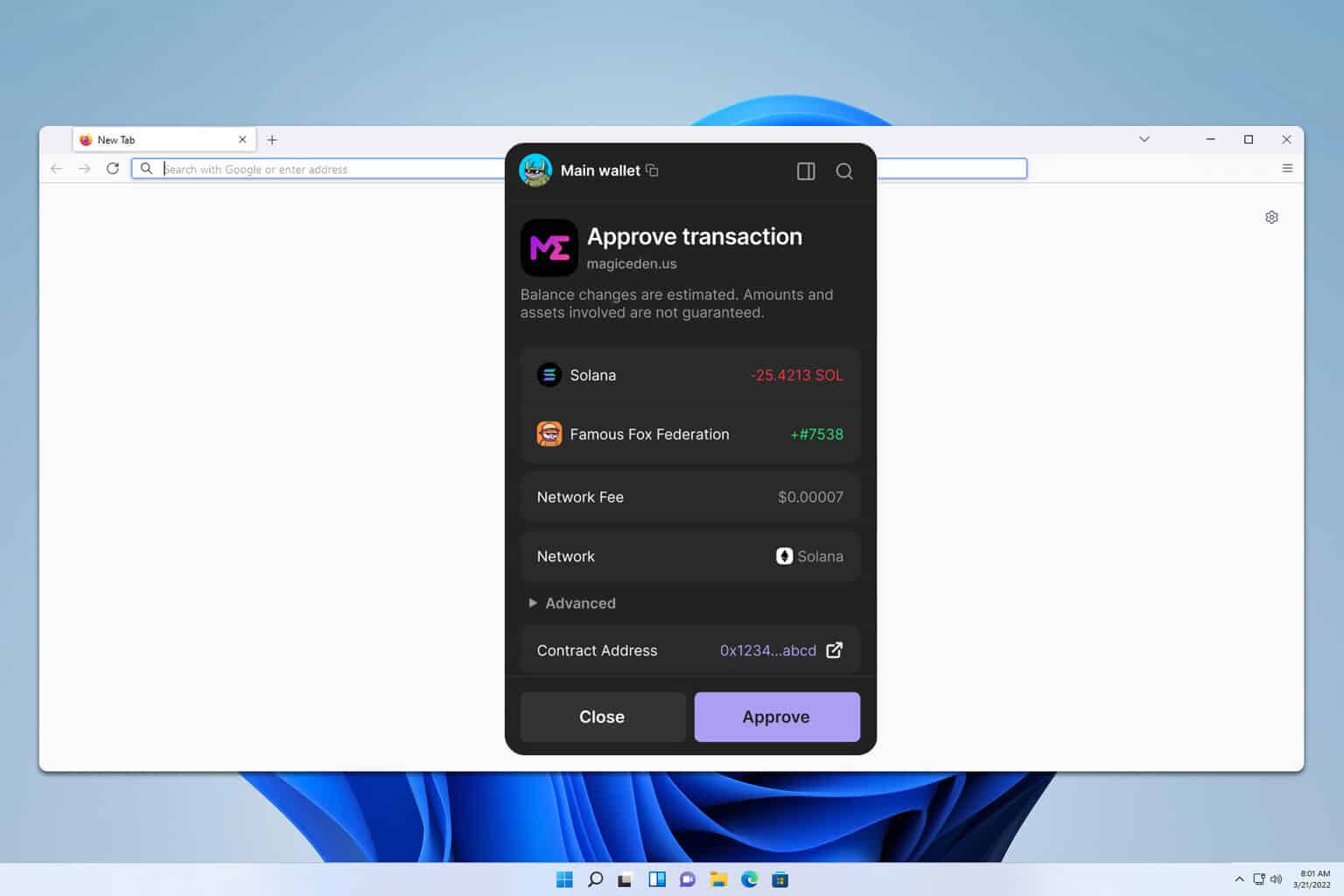
Here’s a short story—early on I accidentally approved a tiny token transfer in a different wallet because the confirmation was buried. Seriously? That felt awful. Initially I thought all wallet confirmations looked the same, but then I realized Phantom’s confirmations are clearer and it shows program-level permissions more consistently. That little detail saved me later when a dApp tried to request broad access.
What Phantom Gets Right
Here’s the thing. Phantom focuses on the browser extension as the main gateway for users. It’s streamlined. The onboarding flow for a new account is straightforward and the seed phrase backup process is plain and practical, which reduces user errors. Hmm… my instinct said they’d overcomplicate recovery, but they didn’t.
Really? Yes—Phantom also integrates a built-in token swap feature that uses Serum and other liquidity sources. That means you can exchange tokens without leaving the extension. On one hand that’s convenient, though actually—be mindful of slippage and routing because sometimes a multi-hop route sneaks in higher fees. My take: use swaps for convenience and larger trades via a trusted aggregator when price matters.
Security-wise Phantom keeps private keys locally. That’s crucial. It also supports hardware wallets like Ledger which adds a physical confirmation layer. On the other hand, no tool is invulnerable, and I want to be clear about that—browser environments carry inherent risks, especially from malicious extensions or compromised machines.
How the Phantom App and Browser Extension Differ
Really? The app and extension are siblings but not twins. The mobile app prioritizes quick dApp connections and QR-based interactions, while the extension is optimized for browser dApps and desktop workflows. My instinct said the mobile experience would be pared-back, and that’s true—some advanced features are desktop-first.
Initially I thought you’d get feature parity across devices, but then realized development prioritizes what users actually use in each context. So, if you rely on dApps during research sessions on a laptop, the extension is where you want to be. If you’re trading on the go or scanning QR links at meetups, the mobile app is handy and fast.
One small thing that bugs me: notification handling between devices is not always synchronized. It’s not catastrophic, but sometimes you’ll accept a request on mobile and the desktop popup still lingers. Little UX rough edges like that are common in cross-platform products, though—and they don’t break core security.
Practical Tips for Using the Phantom Extension
Hmm… before you do anything, set up a hardware wallet if you plan to hold real value long-term. Seriously, do it. A Ledger paired with Phantom gives you an air-tight signing process for risky or large transactions. My instinct said casual users might find hardware annoying, but it’s worth it when you sleep better at night.
Here’s the thing. Use separate browser profiles for different activities. Keep one profile for your main wallet and dApp interactions, and another « clean » profile for general browsing. That minimizes exposure to malicious extensions. It sounds like overkill, though actually it saved me once when a sketchy extension tried to inject scripts into pages.
Also, name your accounts with context— »Main – staking » or « Metaswap – testing ». Phantom lets you label accounts and that small habit prevents accidental transfers. I’m biased, but I always keep a tiny test account with a few cents for trials. If a dApp acts weird, you experiment there first.
Dealing with dApp Permissions
Whoa! Permissions can be subtle. Phantom shows the dApp and the specific program being requested. Take a breath and read them. On one hand, people skip this step because it’s boring. On the other hand, I’ve seen how careless approvals lead to token drains. My working rule: never approve program-level « transfer » permissions without understanding the purpose.
Initially I thought denying everything by default would be safe, but then realized many dApps require scoped permissions to function. So a better approach is to grant the minimum necessary, and revoke permissions if something looks fishy. Phantom’s interface allows you to view connected sites and revoke access—use that regularly.
Something felt off about unlimited approvals. Honestly, that should be a red flag. If a site asks to « approve all tokens » or similar, step back. It’s not just about UI—it’s about the underlying Solana program interactions. Trust but verify, or better yet, don’t trust until verified.
When Things Go Wrong
Uh-oh—what if you see an unexpected transaction? First, don’t panic. Check the transaction details on a block explorer. Phantom links directly to the explorer so you can inspect the program and signatures. That immediate transparency is a huge plus.
My instinct said to contact the dApp support if you suspect foul play, but actually start by revoking permissions and moving funds to a fresh account. If funds are at risk, hardware wallets and multisig setups are what save you. I won’t sugarcoat it—some recovery steps are messy, and sometimes losses are irreversible. That’s the harsh truth of crypto.
Also, be careful with seed phrase backups. Write them down on paper and store them in a safe place. Digital copies are tempting but more vulnerable. I’m not 100% sure where I’ll keep mine forever, but I’m leaning toward a small, fireproof safe and a secondary copy with a trusted family member.
Comparisons and Tradeoffs
Really? There are other Solana wallets out there. Some prioritize privacy, others prioritize multi-chain access. Phantom manages a strong middle ground with excellent UX and steady development. That said, if you need advanced multisig or enterprise tooling, explore specialized wallets that focus on those needs.
On one hand Phantom is beginner-friendly and polished, though actually power users occasionally miss deeper customization. Personally, that tradeoff is worth it because most users gain safety from clarity. I prefer tools that prevent mistakes rather than assume users will read technical docs for every action.
FAQ
Is Phantom safe for holding significant SOL and tokens?
Short answer: yes, when paired with good practices. Use hardware wallets for large holdings, keep your seed phrase offline, use separate browser profiles, and review dApp permissions. Those steps dramatically reduce risk.
Can I use Phantom with hardware wallets?
Yes. Phantom supports Ledger devices for transaction signing. Connect your Ledger to Phantom and confirm signatures on the device itself—this is the recommended setup for large balances.
Okay, so if you want to try Phantom, start modestly. Create a small account, connect to a few reputable dApps, and get comfortable with the signing flow. Check out the official download page for the phantom wallet and verify the source before installing. I’m biased, but a little caution now saves a lot later.
I’m not done noticing small UX things that could improve. Sometimes I trip over confirmation wording. Sometimes the mobile-desktop sync is quirky. Still, the core value—fast transactions, clear program permissions, and a user-first interface—keeps me recommending it. Hmm… something about the balance of polish and practicality makes this one feel built for real people, not just power users. Seriously, that matters.